
 +86
17853698681
+86
17853698681 Current
location:
Current
location: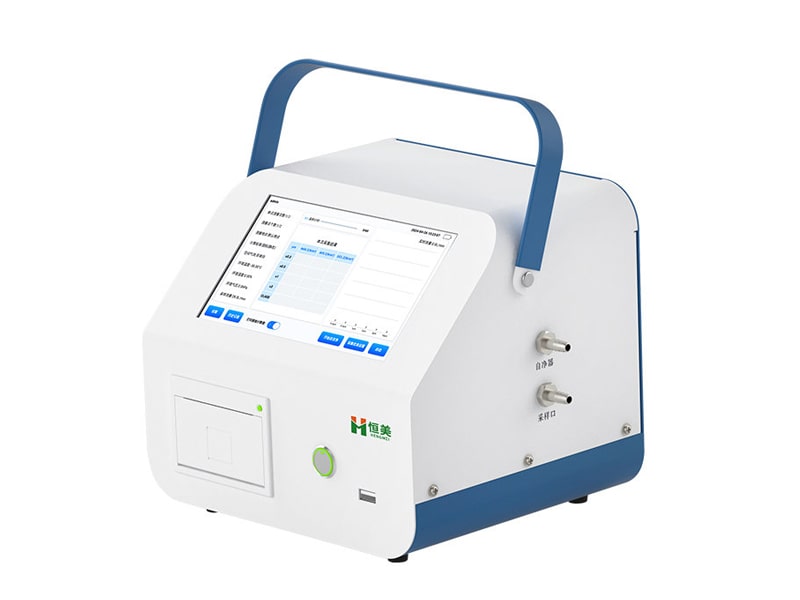
 Model:
HM-CL1
Model:
HM-CL1
 +86
17853698681
+86
17853698681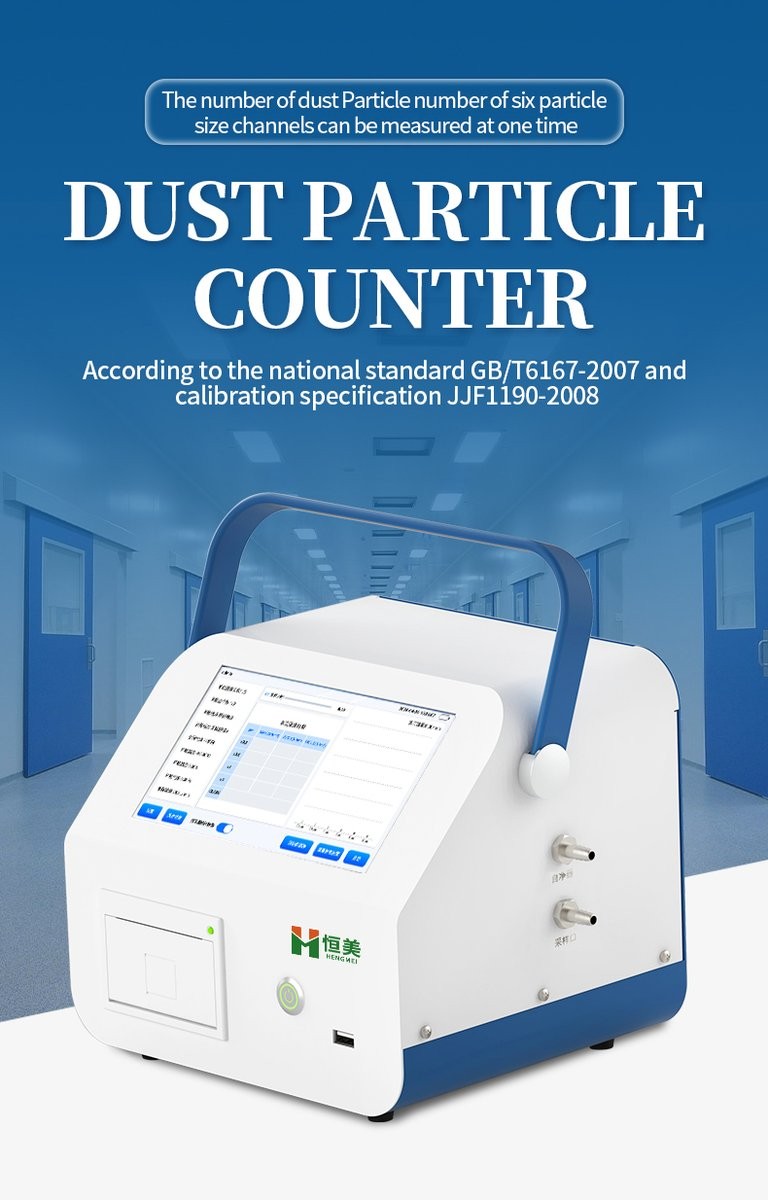
Product Introduction
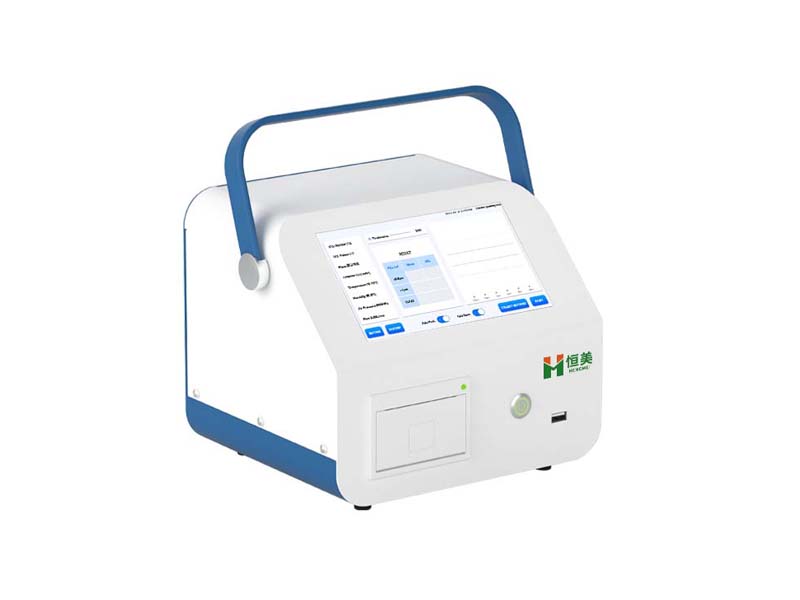
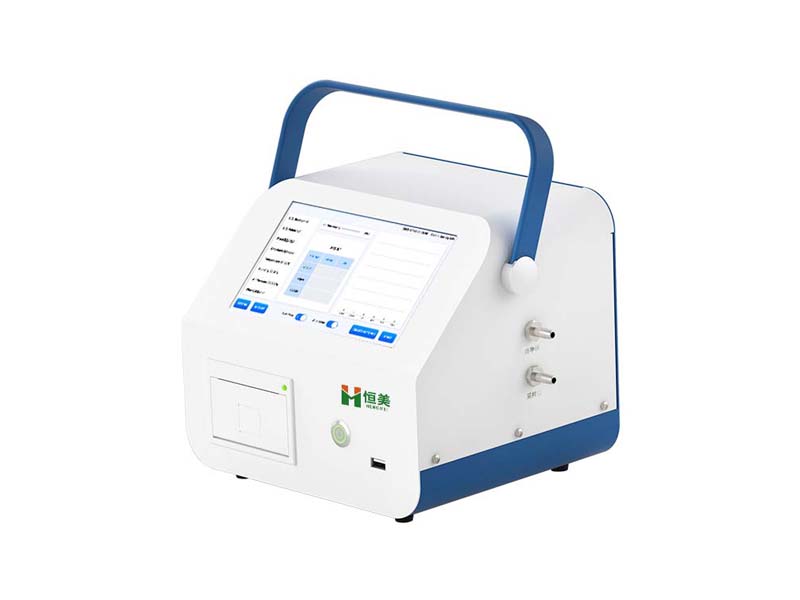
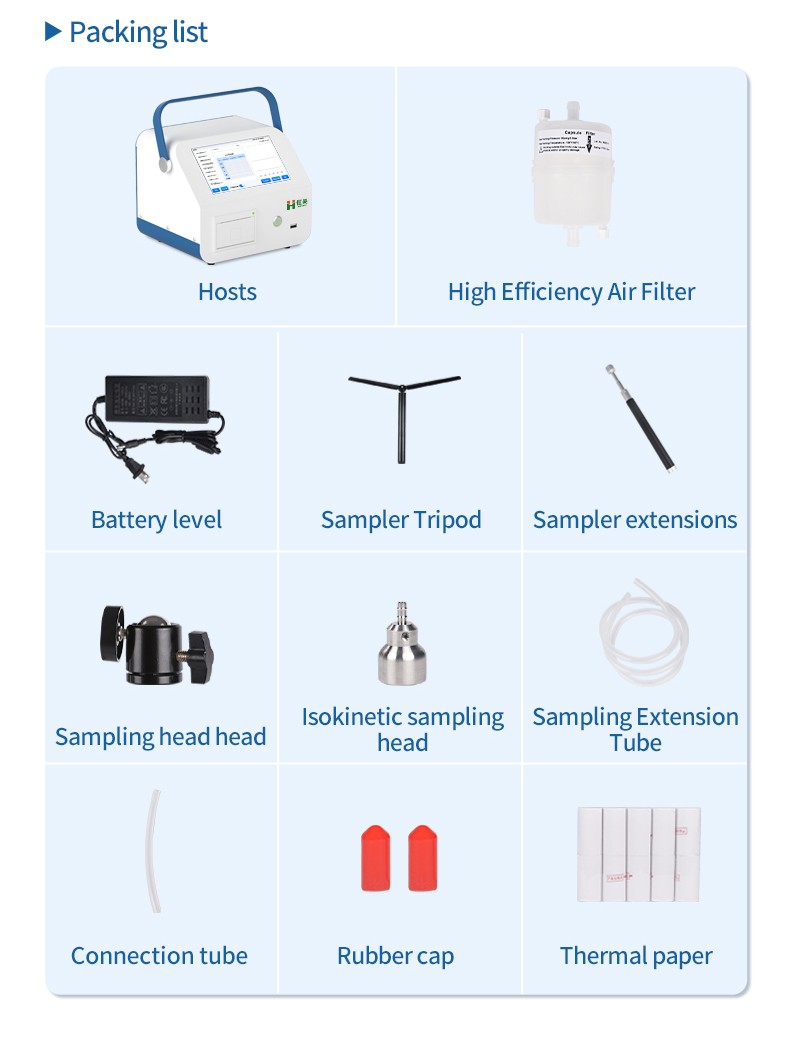
Many cleanrooms run their particle counts on a borrowed, shared or aging instrument that moves between rooms on a quarterly rotation. That schedule works until a room drifts out of class between checks and nobody knows when it started. The HM-CL1 from HM Instruments is built for the facility that has decided to give a room — or a group of rooms — its own dedicated counting station, at a price point that makes one-counter-per-zone realistic rather than aspirational.
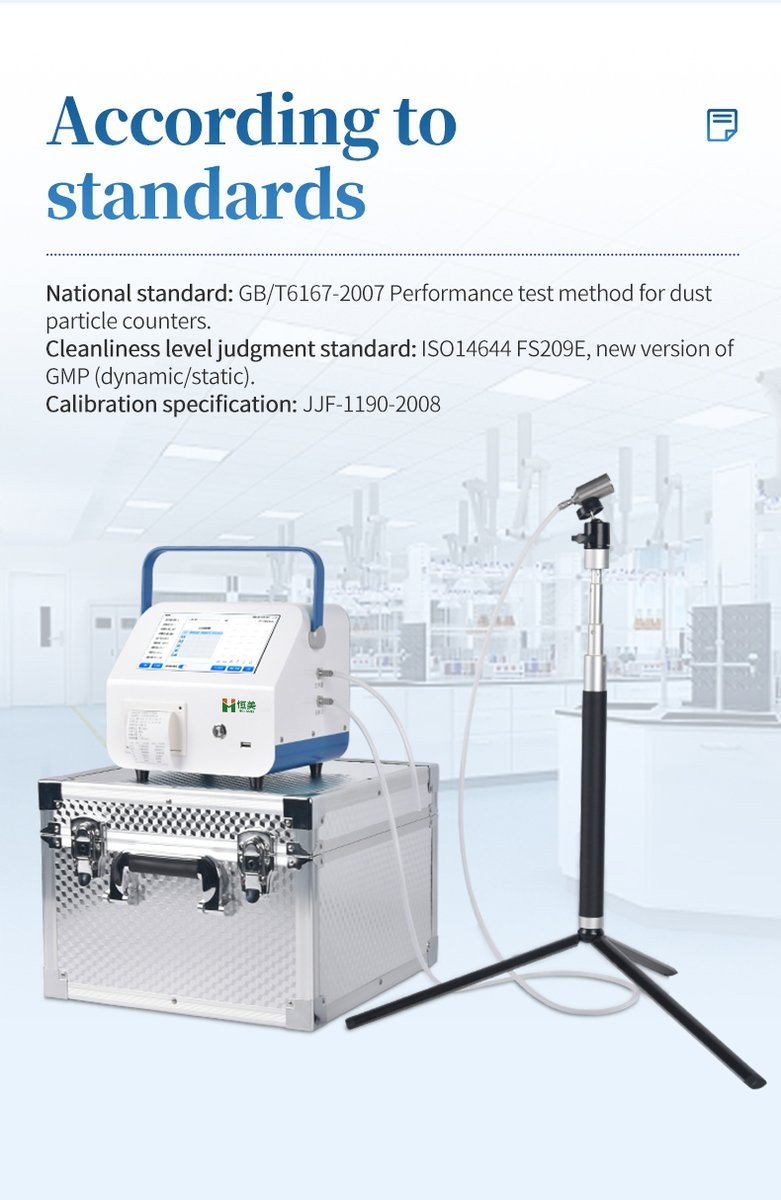
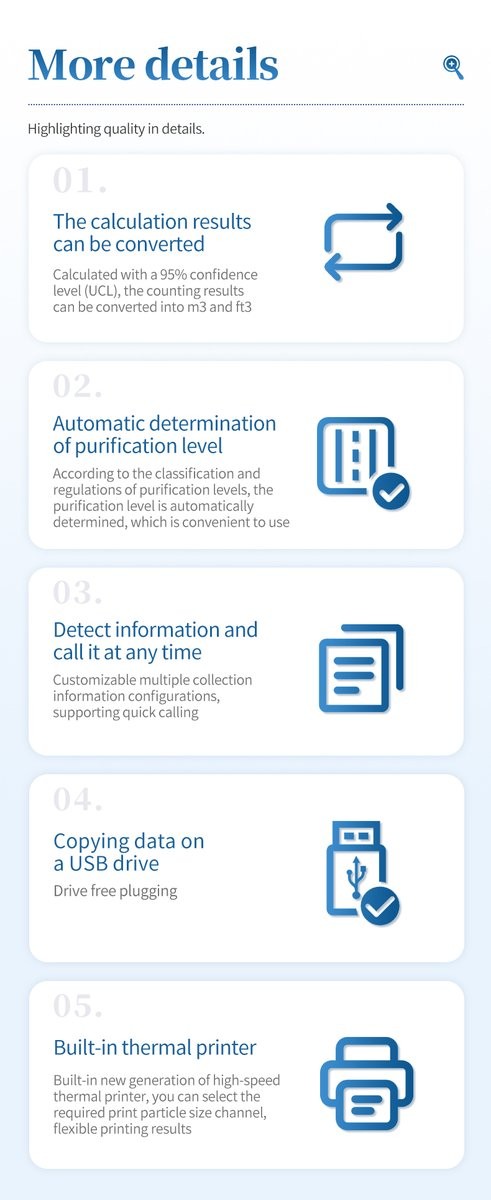
As the entry-level benchtop model in the HM-CL series, the HM-CL1 keeps the measurement core that matters for classification decisions and strips away the modules that drive cost without changing the count. A single sampling pass at 2.83 L/min (0.1 cfm) simultaneously measures 0.3, 0.5, 1.0, 3.0, 5.0 and 10.0 µm channels. Confidence-level evaluation follows GB/T 6167-2007 and JJF-1190-2008, results are computed at 95% UCL, and the instrument assigns the cleanliness class automatically against national standard, ISO 14644, FS 209E or GMP criteria. Counts convert between m³ and ft³ so the same report serves an ISO-classified room and a customer specification written in FS 209E terms.
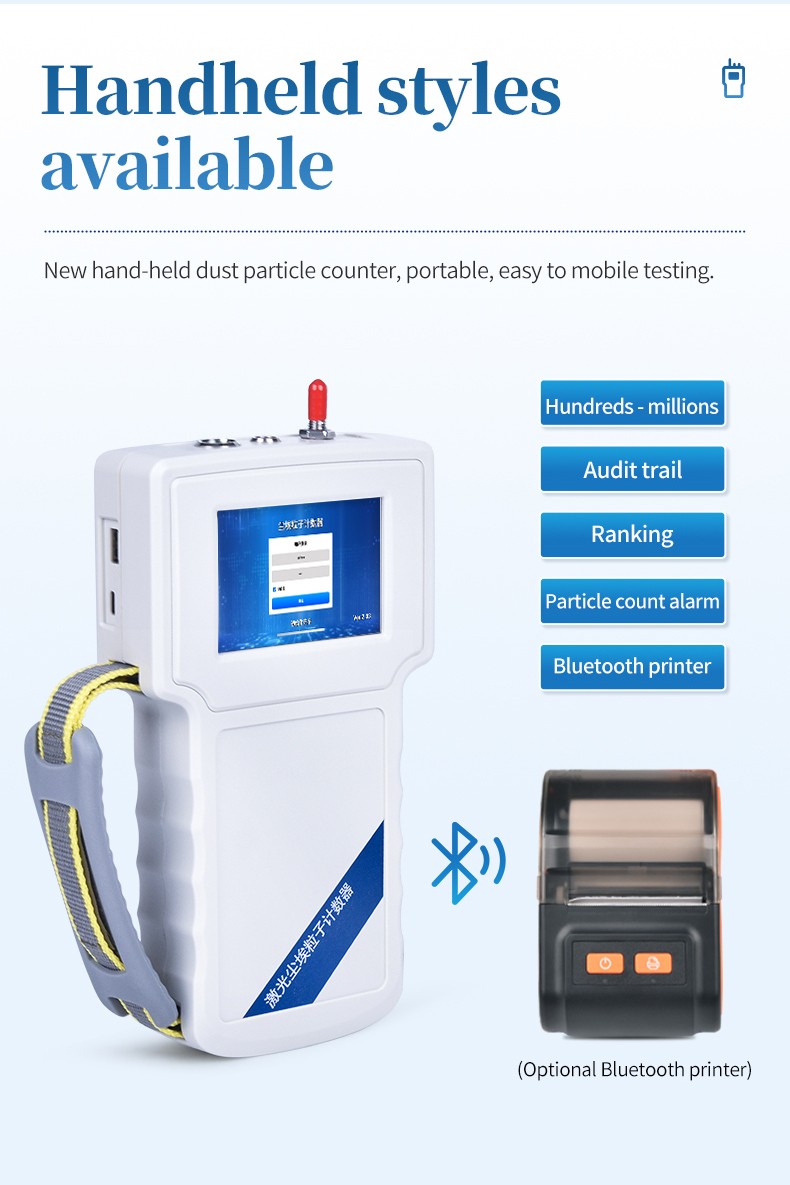
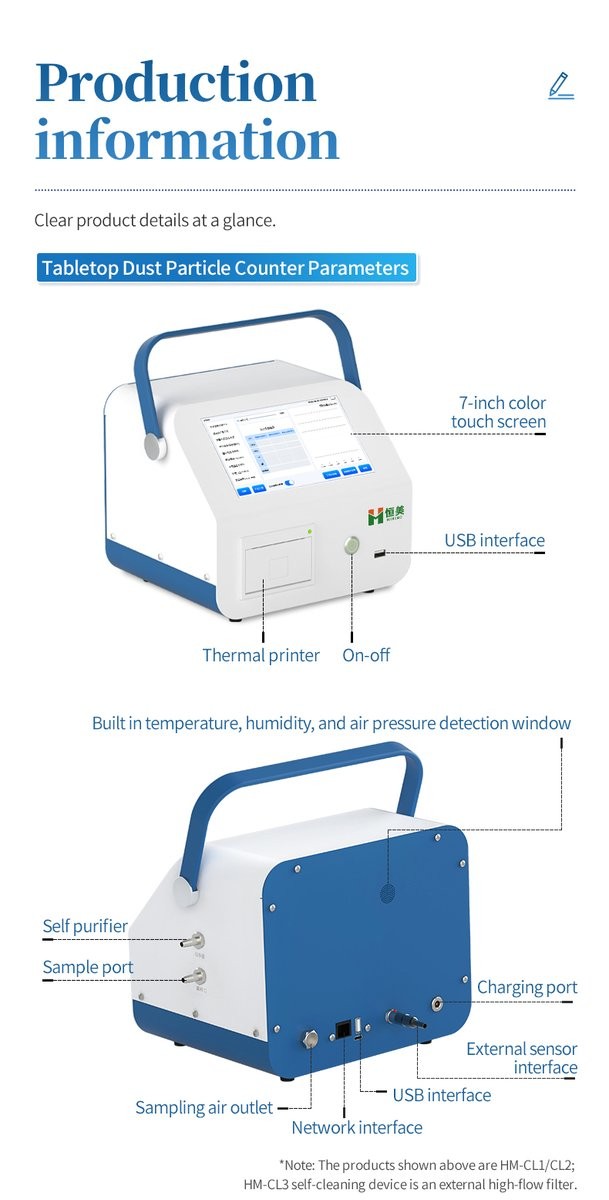
Built-in temperature, humidity and barometric pressure sensors record the environmental context of every sample, and WiFi upload to the supervision platform lets a quality manager review counts from multiple rooms without walking the plant. The HM-CL1 is AC-powered and intended for a fixed bench position; for facilities that need battery operation, audit trail logging or an onboard printer, the HM-CL1 benchtop counter configuration can be compared with the HM-CL2 and HM-CL3 models in the same series.
Applications
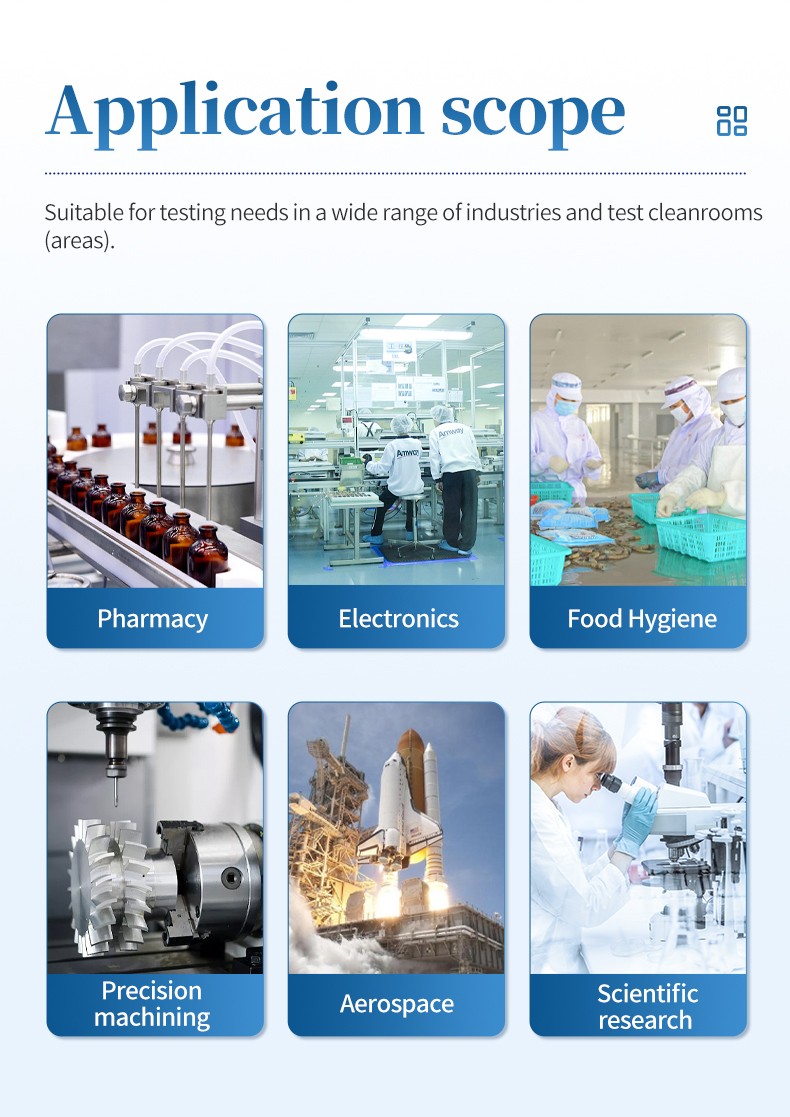
- Pharmaceutical manufacturing — routine cleanliness verification in Grade C and Grade D background rooms, plus at-rest qualification of Grade A and Grade B zones.
- Semiconductor and precision machining — particle trend logging at workstations where sub-micron counts correlate with yield loss, without dedicating a high-flow instrument.
- Food hygiene processing — clean-area evidence for HACCP files in dairy, plastic-sealed meat, seasoning and agricultural fine-processing lines.
- Filter manufacturing — upstream and downstream counting to verify filter quality and filtration efficiency during production runs.
- Optics, aerospace and bioengineering — precision machining bays and precision test chambers where rework cost per contaminated part is high.
- Research and teaching laboratories — student training and method development in clean-technology and materials science departments.
Key Features & Advantages
- Six simultaneous size channels from 0.3 to 10.0 µm in one sampling pass, covering the full ISO 14644-1 size range without re-sampling.
- Automatic purification level judgment against national standard, ISO 14644, FS 209E and GMP criteria eliminates manual class calculation.
- 95% upper confidence limit (UCL) calculation applied by the instrument, matching the statistical basis expected in classification reports.
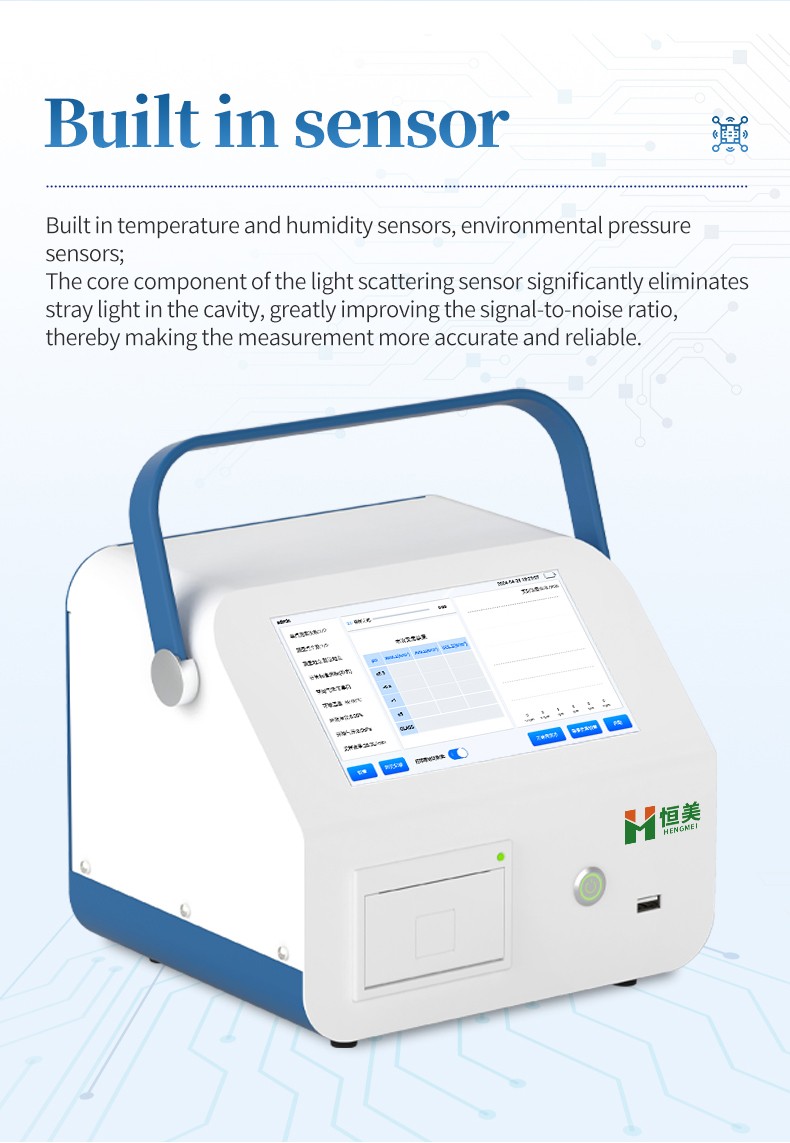
- Light-scattering sensor engineered to suppress stray light in the optical cavity, raising signal-to-noise ratio near the 0.3 µm threshold.
- Imported semiconductor laser diode rated beyond 30,000 hours supports long-term duty without frequent light-source service.
- Integrated temperature, humidity and ambient barometric pressure sensors provide environmental context in the same data record.
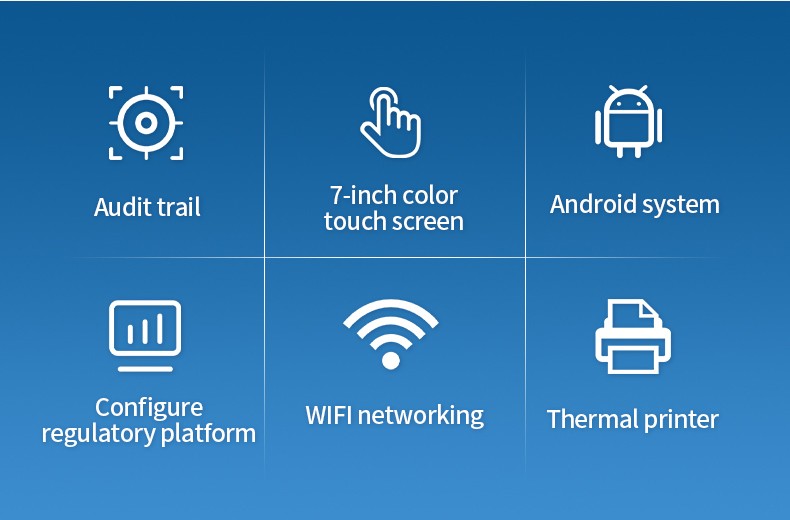
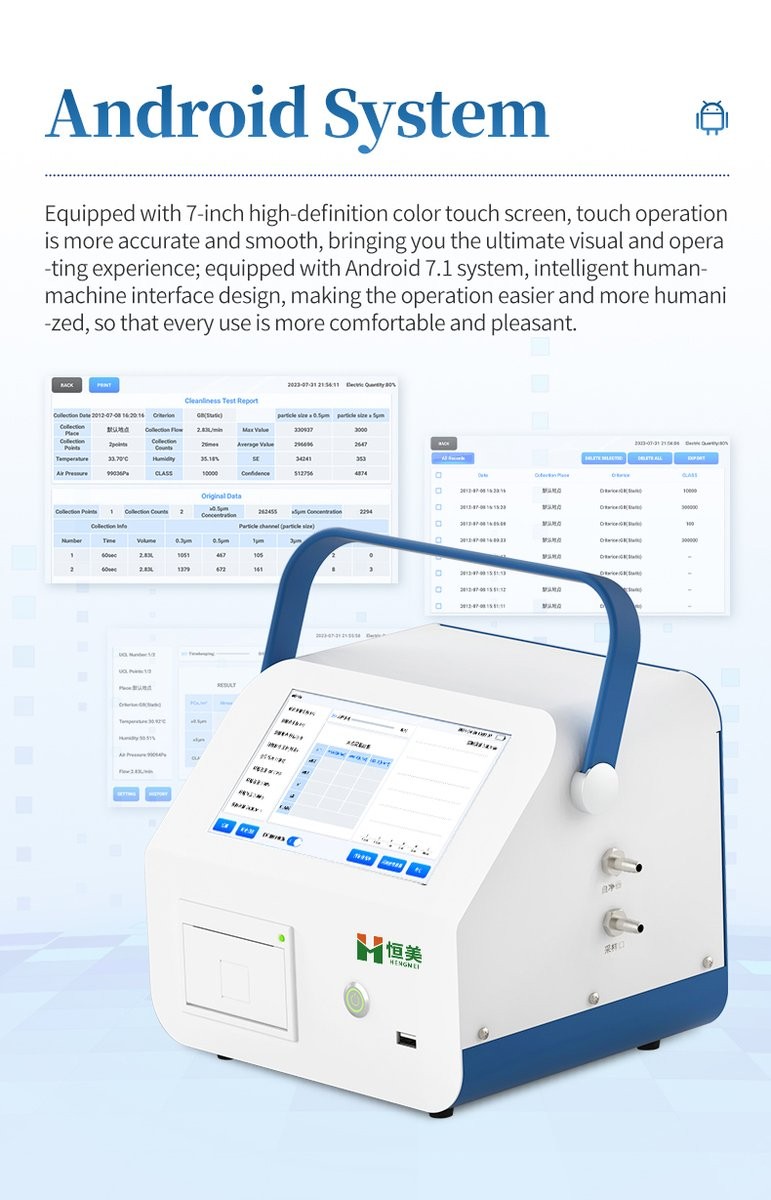
- Android 7.1 platform with a 7-inch colour touchscreen for direct on-machine configuration and data review.
- Sampling period adjustable from 1 second to 30,000 seconds, covering both rapid excursion checks and extended trend logging.
- Single, repeated (up to 99 times, user-defined) and continuous sampling modes on one instrument.
- Particle count alarm with user-set thresholds, alerting production staff when a channel exceeds its limit.
- WiFi upload to the supervision platform client enables multi-room dashboards and long- and short-term cleanliness trend analysis.
- Driver-free USB flash copying where network access is restricted or unavailable during an inspection.
- Internal memory for 1–100,000 records, searchable and exportable on the touchscreen, keeps raw data available if the network is down.
- Self purification time of ≤10 min shortens the wait between a filter change and a valid re-qualification measurement.
- Measurement repeatability relative deviation below 10% keeps successive readings at a monitoring point comparable over months.
Technical Specifications
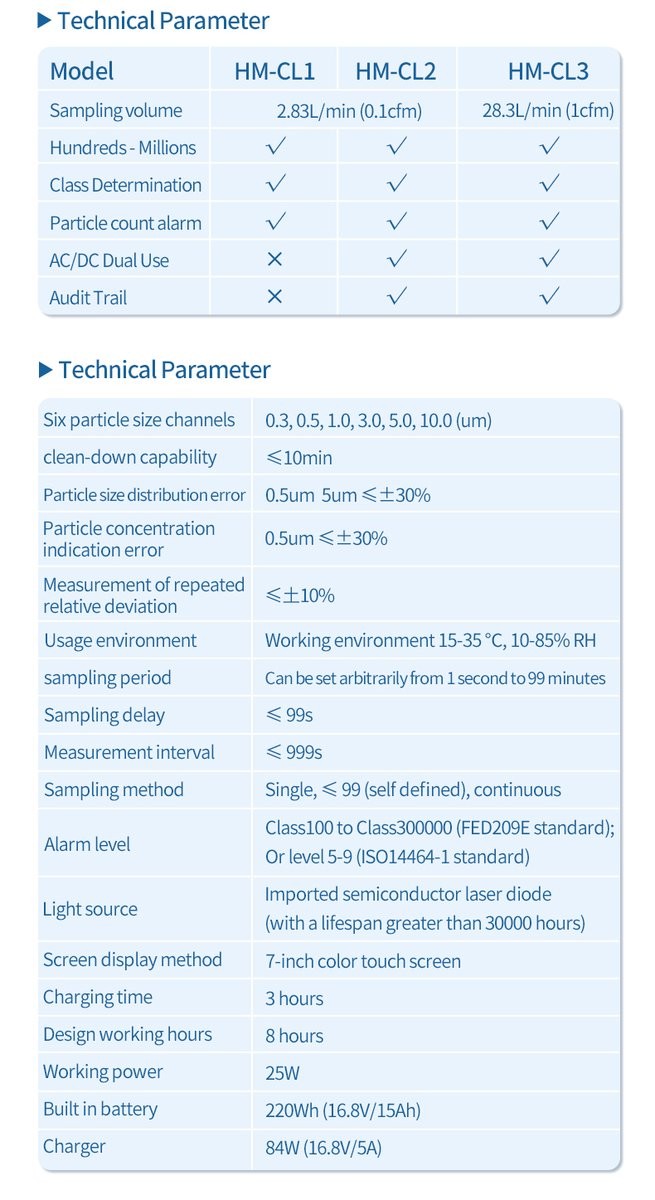
| Item | Specification |
|---|---|
| Sampling method | Single, repeated (≤99 times, custom), continuous |
| Sampling volume | 2.83 L/min (0.1 cfm) |
| Six particle size channels | 0.3, 0.5, 1.0, 3.0, 5.0, 10.0 (µm) |
| Maximum sampling concentration | 35,000 particles/L (particle size ≥ 0.5 µm) |
| Self purification time | ≤ 10 min |
| Particle size distribution error | 0.5 µm 5 µm ≤ ±30% |
| Particle concentration indication error | 0.5 µm ≤ ±30% |
| Measurement repeatability relative deviation | < 10% |
| Cleanliness standards | National standard, ISO 14644, FS 209E, GMP |
| Operating environment | 15–35 °C, 10–85% RH |
| Sampling period | 1 second – 30,000 seconds (user-set) |
| Sampling delay | ≤ 60 s |
| Measurement interval | ≤ 60 s |
| Light source | Imported semiconductor laser diode (life over 30,000 hours) |
| Screen display mode | 7-inch colour touchscreen |
| Operating system | Android 7.1 |
| Data communication | WiFi, standard USB |
| Data memory capacity | 1–100,000 records, searchable and exportable |
| Alarm function | Particle count alarm via user-set parameters |
| Outline dimensions | 185 × 220 × 200 mm (D × W × H) |
| Bare weight | 3.25 kg |
| Packing size | 460 × 265 × 420 mm |
| Packing weight | 8.6 kg |
| Reference standards | GB/T 6167-2007, JJF-1190-2008, ISO 14644, FS 209E, GMP (dynamic/static) |
FAQ
Q1: What does the HM-CL1 give up compared to the HM-CL2 and HM-CL3?
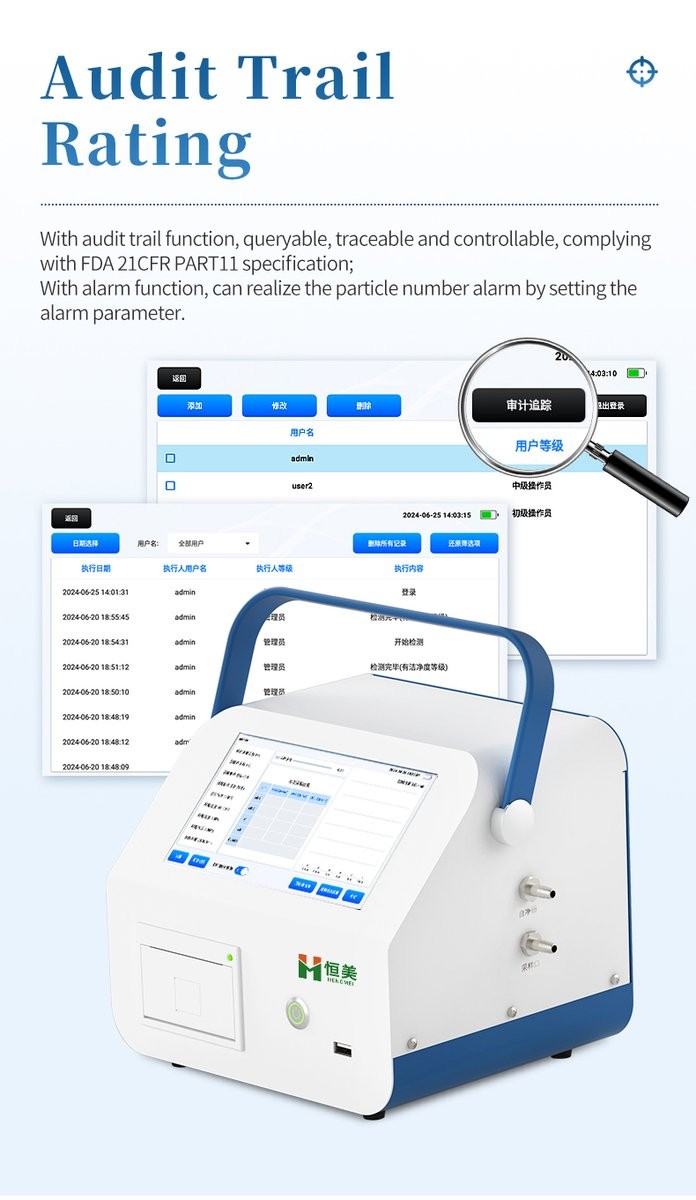
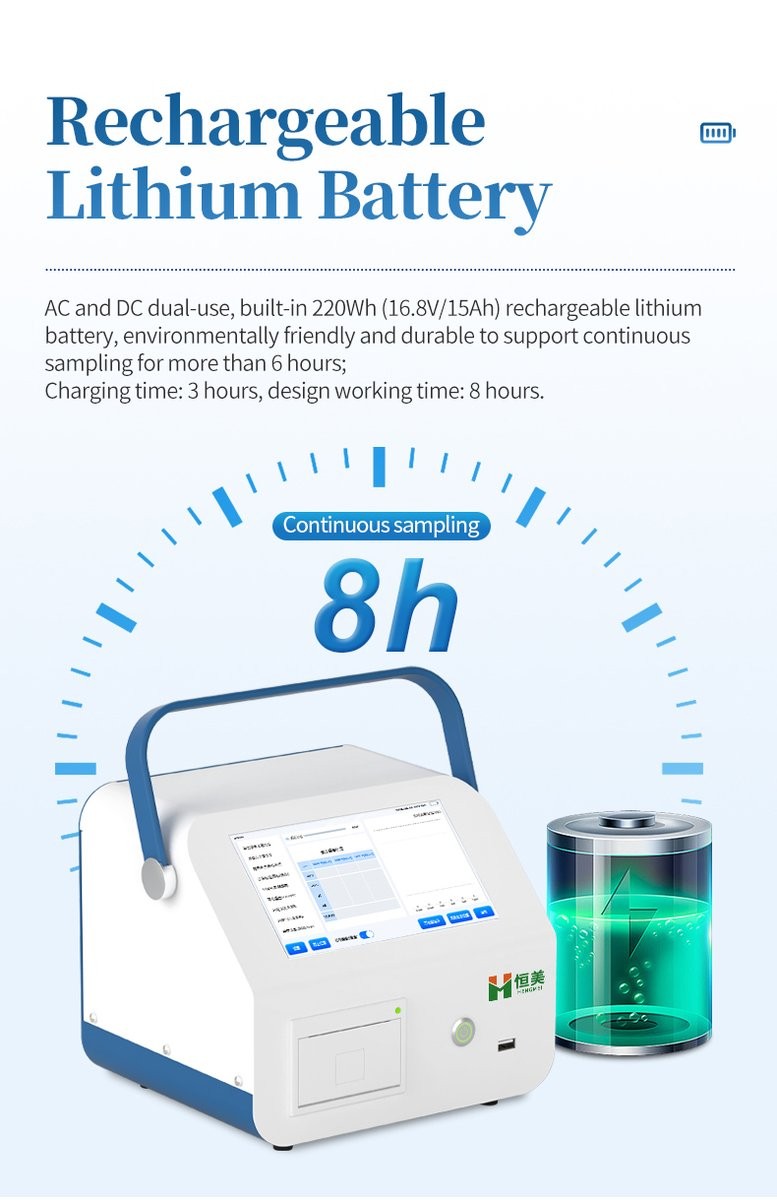
The HM-CL1 shares the same six-channel measurement core, 95% UCL calculation, automatic class judgment, Android 7.1 touchscreen, WiFi upload and supervision platform access as the other two models. What it does not include is battery operation, the FDA 21CFR PART11 audit trail module, the onboard thermal printer, and the 28.3 L/min flow rate of the HM-CL3. For a fixed bench position with AC power where reports are printed from the platform, these omissions do not affect the count.
Q2: Can the HM-CL1 judge cleanliness class to ISO 14644 and GMP?
Yes. The instrument judges purification level automatically against four selectable frameworks: the Chinese national standard, ISO 14644, FS 209E, and GMP in both dynamic and static states. Confidence-level evaluation follows GB/T 6167-2007, with calibration traceable to JJF-1190-2008, and counts are reported at 95% upper confidence limit. Results convert between particles per m³ and per ft³, so the same instrument serves a facility whose SOP is written in ISO classes and a customer specification that still quotes Class 100 or Class 10,000 in FS 209E terms.
Q3: How does the HM-CL1 handle data if there is no onboard printer?
Three paths are available. WiFi upload sends counts to the supervision platform client, where a quality manager can review multi-room dashboards and generate reports from a desk. Driver-free USB flash copying lets an operator pull records onto a thumb drive at the instrument when the network is restricted. Independently, the instrument holds 1 to 100,000 records internally, searchable and exportable on the 7-inch touchscreen, so raw data remains available even during a network outage at audit time. Reports are then compiled from the platform or the exported file rather than printed on the instrument.
Q4: What sampling period should we set for routine cleanroom verification?
The sampling period is adjustable from 1 second to 30,000 seconds, and the measurement interval of ≤60 s governs the gap between passes. For ISO Class 5 or Grade A zones, shorter periods give the event resolution needed to catch brief excursions. For ISO Class 7 or 8 background rooms, longer periods reduce data volume while still capturing drift. A practical approach is to start with the period recommended in ISO 14644-1 Annex B for the room volume and sampling location count, then adjust based on the trend data the instrument collects over the first few weeks.
Q5: Why does the HM-CL1 include temperature, humidity and pressure sensors?
Because a particle count alone rarely explains itself. Room pressure differential drives air leakage between zones; humidity influences electrostatic shedding from garments; temperature relates to occupant comfort and movement. The HM-CL1 records all three in the same data row, so when a count rises, the environmental columns usually indicate the cause — turning the log into a diagnostic tool.
Expert Review
Article address:https://www.cleanlinesstesting.com/pro1/entry-level-cleanroom-particle-counter.html